KnowMe
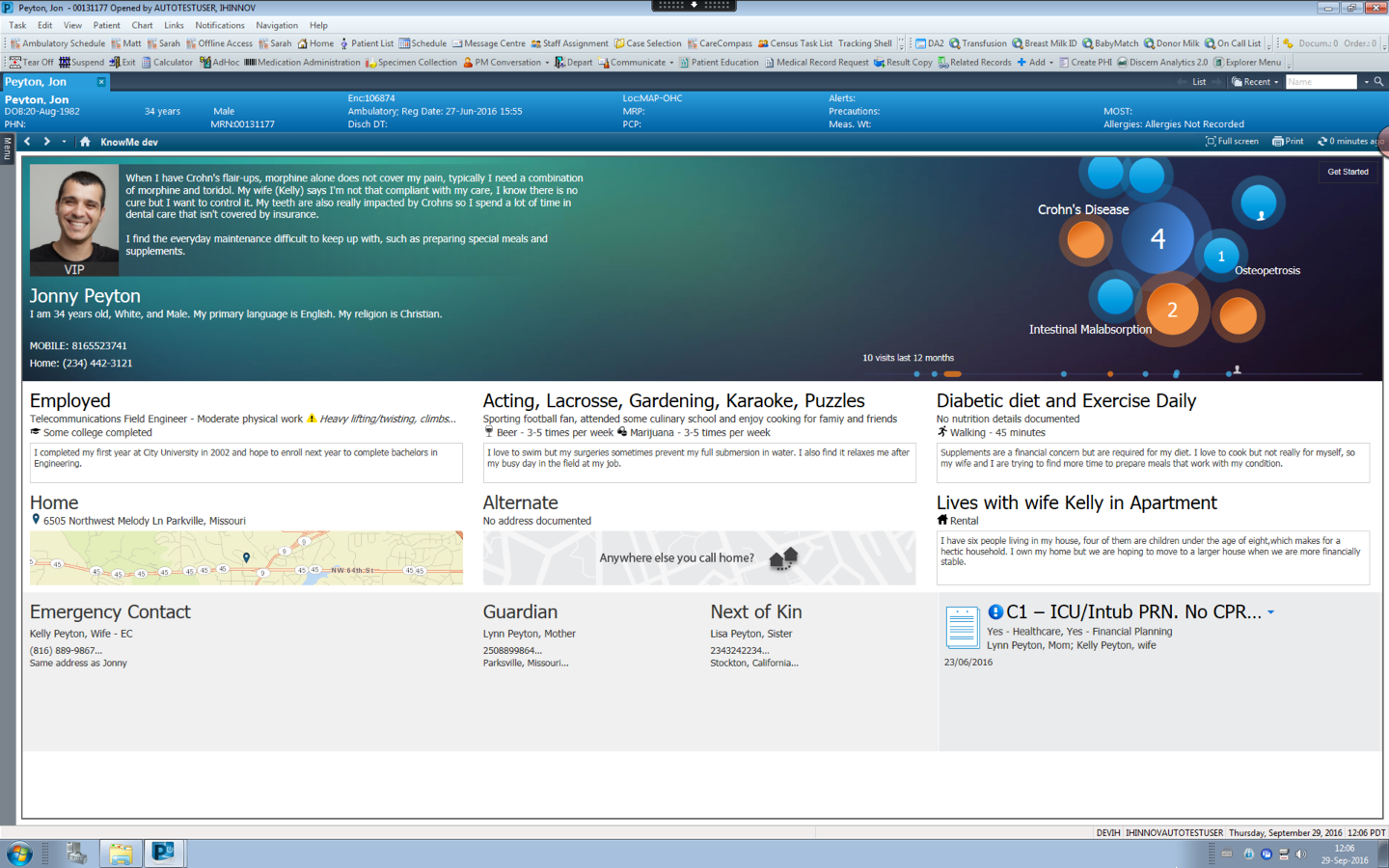
KnowMe is a patient created personal story of key life events and other information, both medical and non-medical, that enables clinicians to understand what matters to the patient, not just what is the matter with them. By shifting the Electronic Health Record (EHR) focus to knowing when a patient is at their best, what is important to them, his/her personal health goals and care preferences, clinicians and patients can collaboratively work together to create a treatment plan that aligns resources tailored to the their needs and changes the patient experience for the better – to change the conversation between patients and clinicians.
Problem
Care teams had access to a patient’s clinical information, but lacked a holistic understanding of the person behind the record—especially during transitions between caregivers.
Hypothesis
Giving clinicians a shared view of a patient’s life, history, goals, and preferences would help them understand the person, build trust, and make more personalized, coordinated care decisions.
What we built
KnowMe MPage, a patient-centered EHR experience that transforms fragmented clinical and personal information into a single, story-driven view of the whole person.
Patient story • Social & personal history • Conditions timeline • Care contacts • Advance care planning • Goals & preferences • Patient voice
Objective
Help clinicians understand patients as whole people and use that understanding to deliver more personalized, coordinated care.
KRs
- —75% of eligible clinicians regularly use KnowMe.
- —+20% improvement in clinicians reporting that they understand what matters most to their patients.
- —+15% improvement in patients reporting that their care team understands their goals and preferences.
- —+10% improvement in patients reporting trust and confidence in their care team.
- —10% reduction in care-transition issues related to missing or incomplete patient context.
White paper
The full KnowMe white paper covers the concept, the clinical rationale, and how the patient story is captured and surfaced in the record.
Download the white paper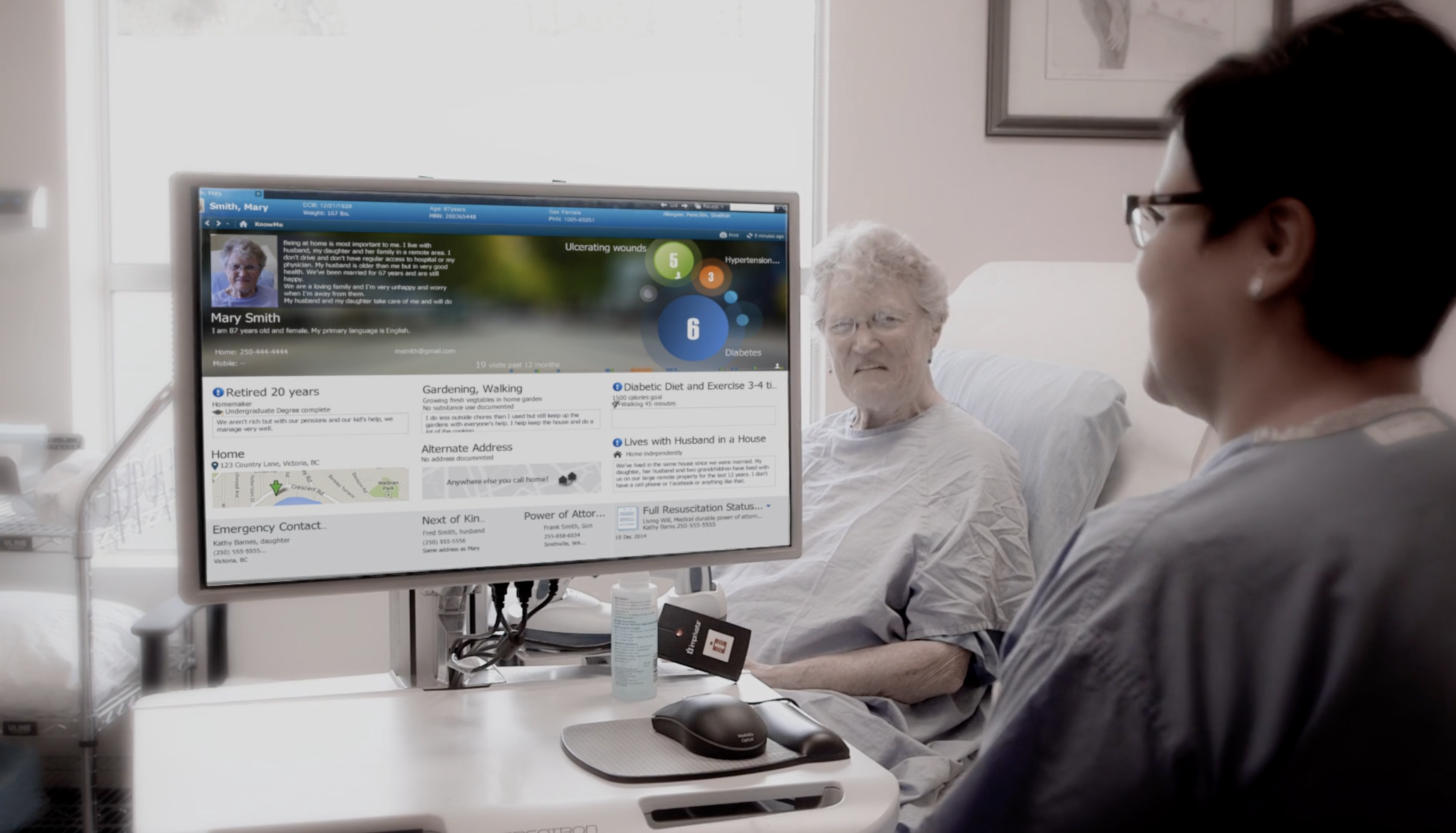
Inspiration can come from unexpected places
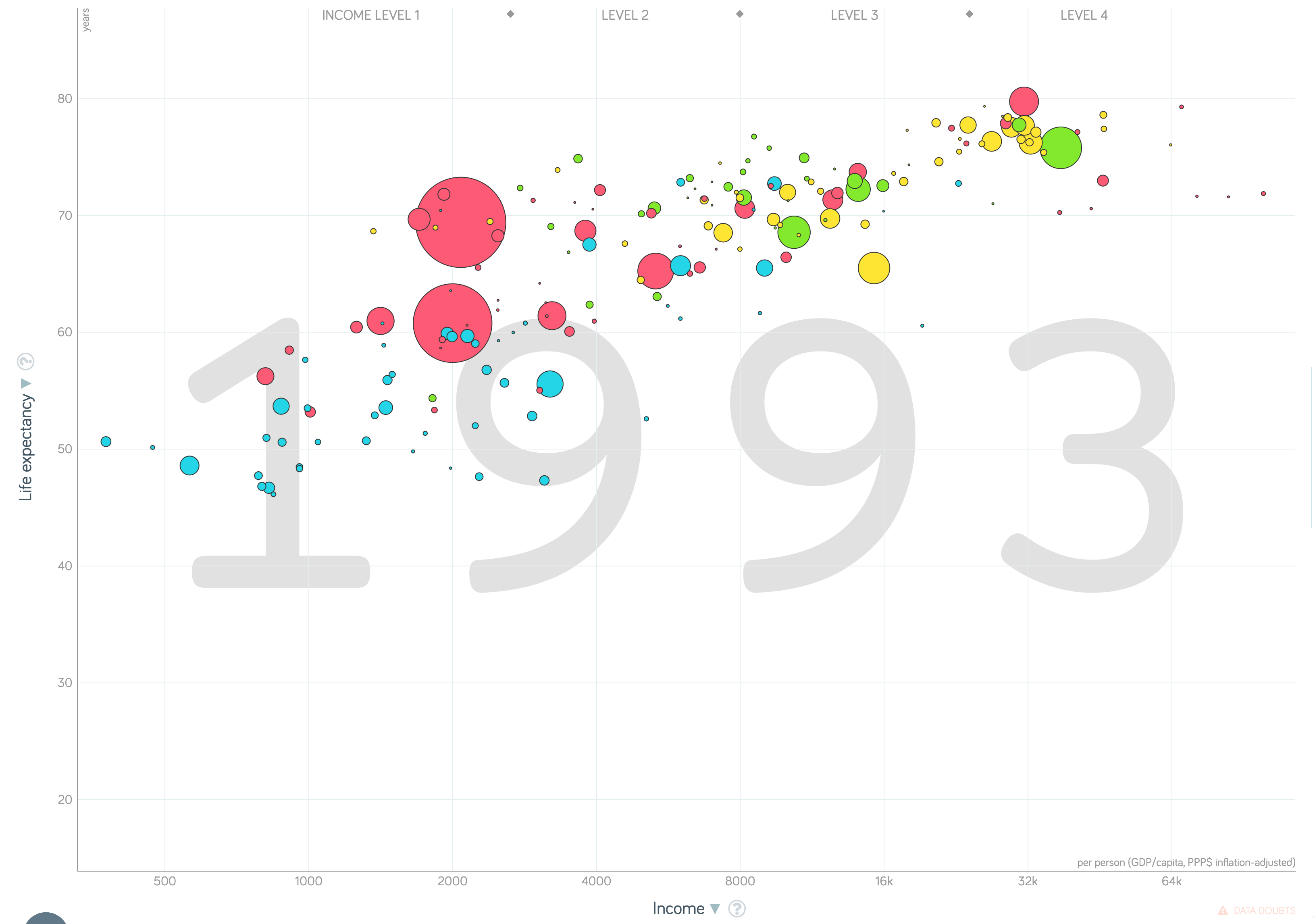
I came across this interactive visualization and was drawn to the way the data changes over time—the bubbles grow, shrink, appear, and recede, creating a visual story of how circumstances evolve. It sparked an idea: what if we could visualize a patient’s diagnoses and conditions in the same way? Rather than treating a diagnosis as a static item in a chart, the visualization could show how each condition becomes more or less impactful over time, helping clinicians see the patient’s health as an evolving story.
Sometimes the best design ideas aren’t created in isolation—they come from seeing how another designer solves a completely different problem and recognizing a new possibility.
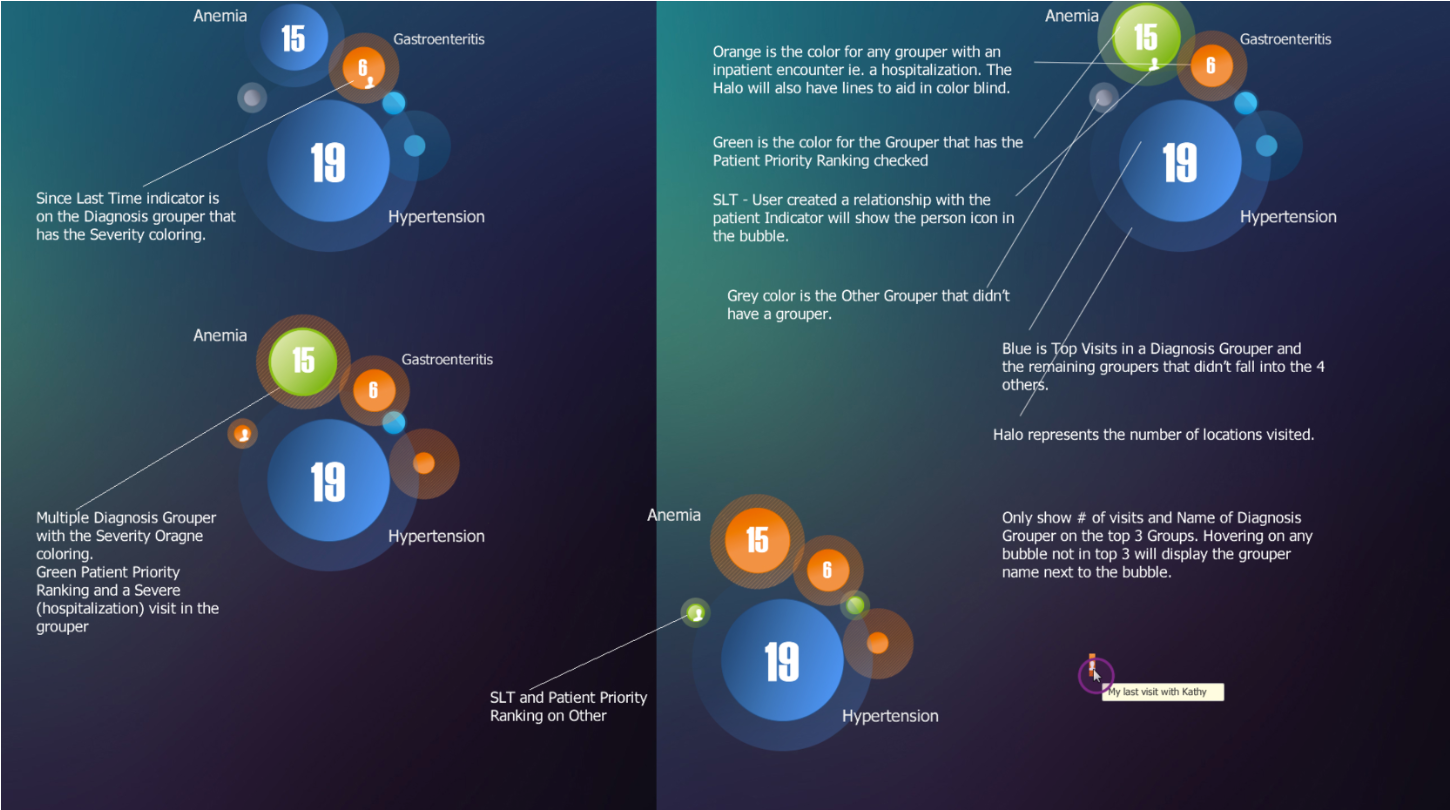

The patient story is a person-centric, longitudinal narrative which aggregates data from a multitude of sources, presents the most pertinent information, and focuses on the trends, changes, and critical events of clinical care and patient experience.